



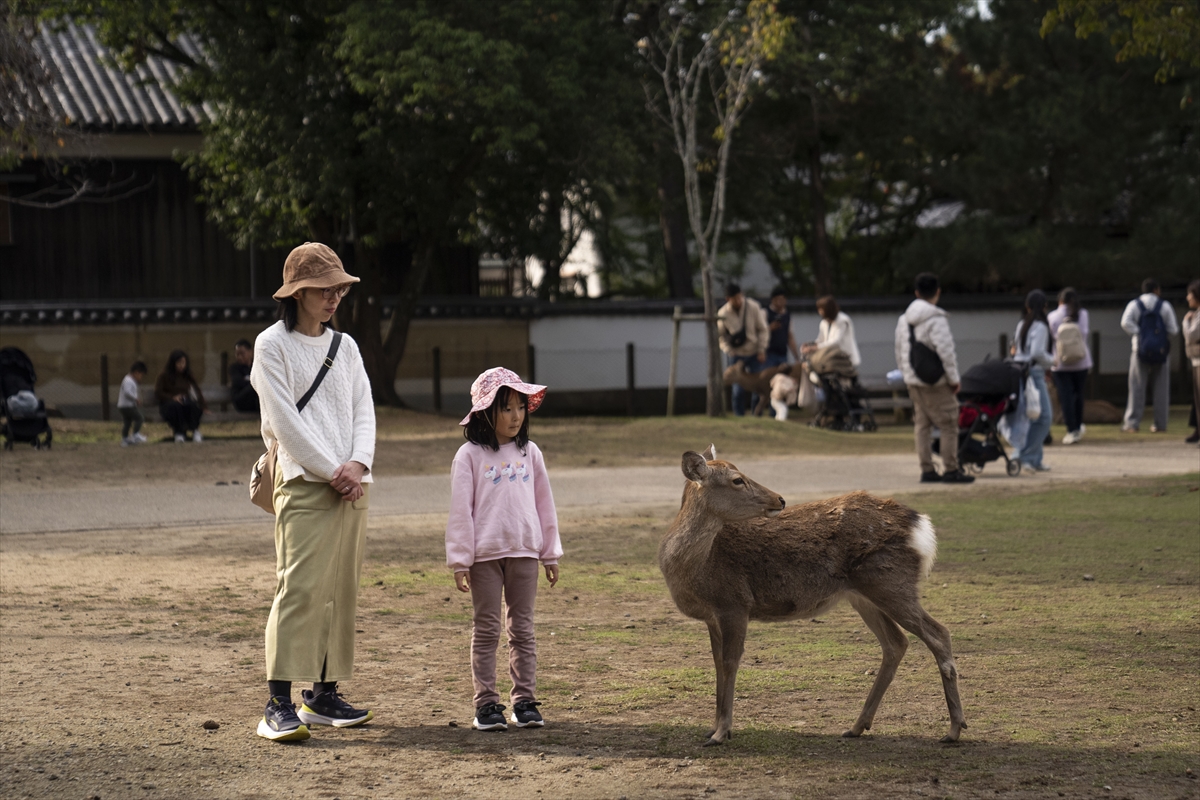
Visitors, both local and foreign, continue to flock to Nara Park to see the famous Sika deer, which are regarded as sacred and remain at the heart of the region’s cultural traditions and tourism. The deer roam freely throughout the vast park grounds, interacting with guests who often purchase special “deer crackers” to feed them—an activity that has become a signature experience for travelers.
Nara Park, established in the late 19th century, has long been recognized as a symbol of Japan’s cultural heritage. The presence of the Sika deer is deeply rooted in Shinto beliefs, where the animals were historically considered divine messengers. Today, they are protected as a national natural treasure, and their significance extends far beyond tourism, representing the spiritual identity of the region.
Park authorities emphasize ongoing efforts to balance wildlife conservation with the growing number of visitors. Educational programs, signage, and volunteer guides help raise awareness about the proper way to interact with the deer and preserve their well-being.
With its blend of historical importance, natural beauty, and unique human–wildlife interaction, Nara Park remains one of Japan’s most iconic destinations, drawing admiration from people around the world.